Overview and Origins of Kurta Kicker FC
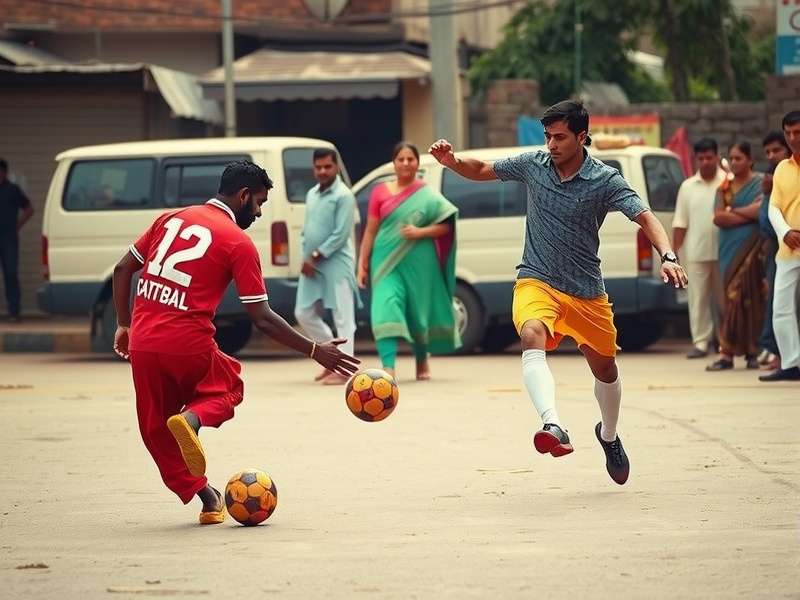
Kurta Kicker FCrepresents a revolutionary approach to football that seamlessly blends India's rich cultural heritage with the global passion for soccer. This unique sporting discipline requires players to wear traditional Indian kurtas while demonstrating exceptional football skills, creating a visually stunning and culturally significant spectacle.
💡 Key Insight:The name "Kurta Kicker FC" perfectly captures the essence of this game - "Kurta" representing traditional Indian attire, "Kicker" symbolizing football action, and "FC" (Football Club) connecting it to the global football community.
The game emerged from the streets of Mumbai in the early 2000s, when young football enthusiasts began experimenting with playing while wearing their traditional clothing. What started as informal matches quickly evolved into an organized sport with dedicated followers across the country. Today,Kurta Kicker FChas established itself as a legitimate sporting discipline with formal rules, tournaments, and a growing international presence.
Unlike conventional football,Kurta Kicker FCplaces special emphasis on technical skill and ball control, as the flowing nature of the kurta presents unique challenges for players. The garment's loose fabric requires athletes to develop specialized techniques for dribbling, passing, and shooting while maintaining their cultural identity.
Historical Development and Evolution
The origins ofKurta Kicker FCcan be traced back to the bustling neighborhoods of metropolitan India, where Western influences increasingly intersected with traditional Indian values. Young Indians, passionate about football but respectful of their cultural roots, sought to create a version of the game that honored both aspects of their identity.
Traditional Attire
The kurta, a knee-length shirt worn by both men and women across South Asia, became the signature garment of this new sport.
Football Foundation
Standard football rules provided the foundation, with modifications to accommodate the unique challenges of playing in traditional clothing.
Between 2005 and 2010, the game underwent significant formalization. Local tournaments began appearing in cities like Delhi, Kolkata, and Bangalore, with standardized rules emerging to ensure fair competition. The year 2012 marked a turning point when the first National Kurta Kicker Championship was organized in Mumbai, attracting teams from across India.
By 2015,Kurta Kicker FChad gained recognition from several state sports authorities, leading to the establishment of the All India Kurta Kicker Federation (AIKKF) in 2017. This governing body further standardized rules, organized national tournaments, and began promoting the sport internationally.
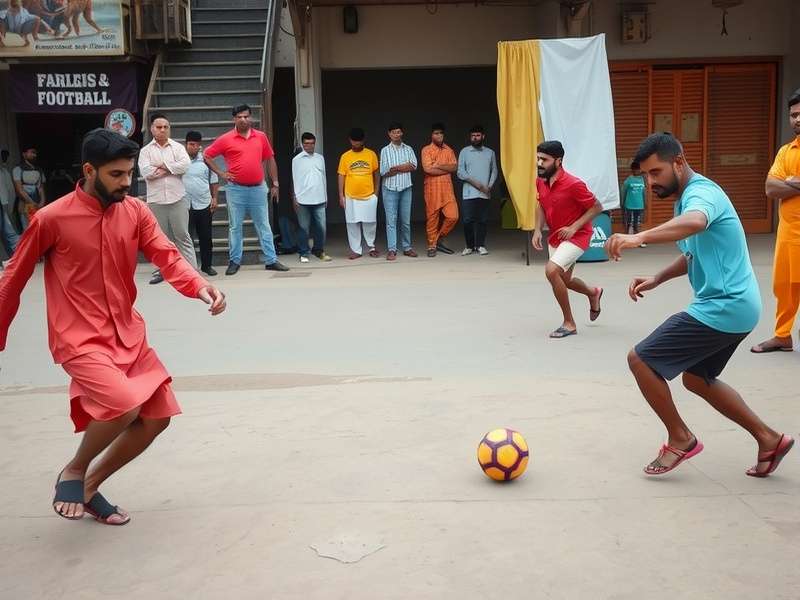
The international breakthrough came in 2019 when exhibition matches were held in London, Dubai, and Singapore, introducingKurta Kicker FCto global audiences. The unique visual appeal of players in colorful kurtas demonstrating impressive football skills captured international media attention, leading to features in prominent sports publications.
Gameplay Mechanics and Unique Elements
The core gameplay ofKurta Kicker FCfollows standard football principles but introduces several distinctive elements that set it apart. Matches are typically played on a standard football pitch with traditional goals, but with specific adaptations to accommodate the unique attire and playing style.
Player Attire and Equipment
All players must wear traditional kurtas that meet specific regulations regarding length, fabric, and design. The kurta must extend at least to the knees but cannot go beyond mid-calf to ensure freedom of movement. Fabrics are typically lightweight cotton or linen to facilitate athletic performance while maintaining the garment's traditional appearance.
⚽ Performance Note:The flowing nature of the kurta requires players to develop exceptional body control and spatial awareness. Successful Kurta Kicker FC athletes master the art of using the garment's movement to their advantage, creating deceptive moves that confuse opponents.
Footwear follows standard football regulations, with cleats recommended for outdoor matches. The ball used is a standard FIFA-approved football, though some informal variations use lighter balls for enhanced control demonstrations.
Match Structure and Duration
OfficialKurta Kicker FCmatches consist of two halves of 35 minutes each, with a 15-minute halftime interval. This slightly reduced duration compared to standard football acknowledges the additional physical demands of playing in traditional attire.
Teams consist of 11 players each, including one goalkeeper, following traditional football formations. However, substitutions follow a more flexible approach, allowing up to 5 changes per match to account for the increased physical exertion.
Official Rules and Regulations
The rulebook forKurta Kicker FChas been carefully developed to balance traditional football principles with the unique aspects introduced by the traditional attire. The All India Kurta Kicker Federation maintains and updates these regulations annually.
Attire-Specific Regulations
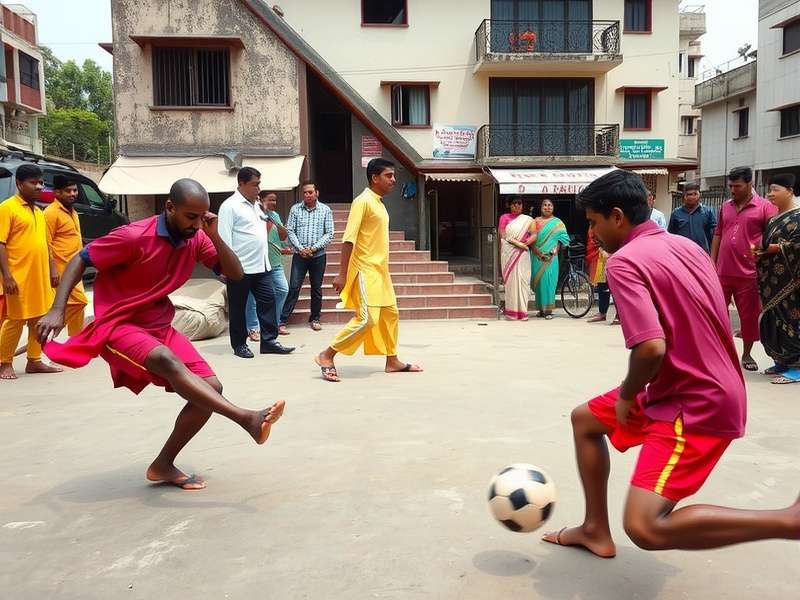
All outfield players must wear approved kurtas during matches. The garments must be loose-fitting but cannot be so voluminous as to create unfair advantages or safety hazards. Referees have authority to disqualify players whose attire does not meet specifications or poses risks to themselves or other players.
Kurtas may feature team colors and logos but must maintain a traditional appearance. Commercial branding is permitted but regulated in size and placement to preserve the sport's cultural authenticity.
Gameplay Modifications
Several standard football rules have been adapted forKurta Kicker FC. For instance, accidental handling offenses are treated more leniently when the ball makes contact with the loose fabric of the kurta rather than the hand or arm itself. Referees receive special training to distinguish between intentional handling and incidental contact with traditional attire.
📜 Rule Emphasis:The "Kurta Advantage" rule allows play to continue when a minor foul occurs but the offended team maintains possession and attacking momentum, similar to the advantage rule in rugby. This maintains game flow while respecting the unique challenges of the attire.
Set pieces follow standard football rules, though free kicks and penalties may be taken from slightly closer distances to account for the reduced kicking power often experienced by players in traditional attire.
Cultural Significance and Social Impact
Kurta Kicker FCrepresents more than just a sporting activity; it serves as a powerful symbol of cultural preservation and modernization. The game has become a vehicle for expressing Indian identity in a globalized world, demonstrating that tradition and modernity can coexist harmoniously.
In a country where Western sports often dominate youth culture,Kurta Kicker FChas successfully created space for traditional elements within contemporary athletic pursuits. This fusion has resonated particularly strongly with younger generations who seek connections to their heritage while participating in global trends.
Community Building and Social Cohesion
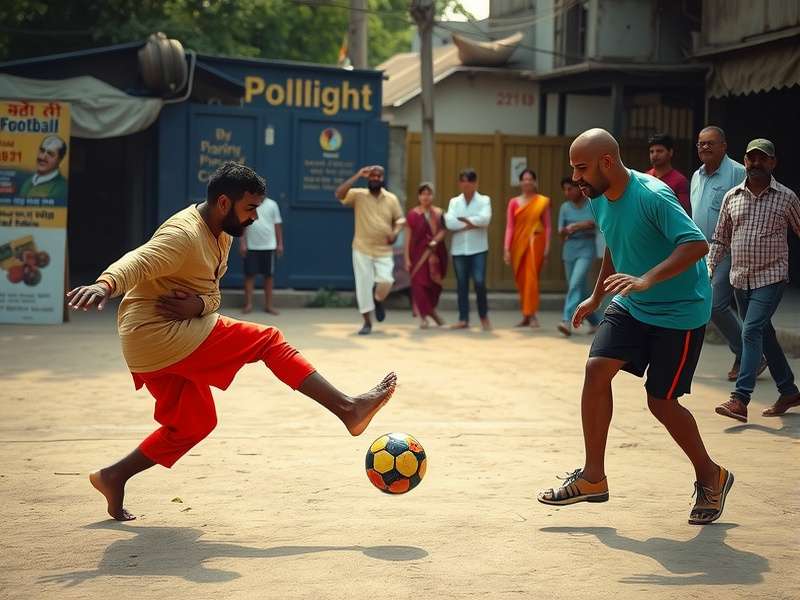
The sport has proven remarkably effective at bringing together diverse communities. LocalKurta Kicker FCtournaments often become community events that transcend social, economic, and religious boundaries. The shared experience of watching or playing this unique sport creates bonds between participants from varied backgrounds.
Women's participation inKurta Kicker FChas grown significantly, with female athletes appreciating how the traditional attire allows them to compete while respecting cultural norms regarding modesty. This has opened football to segments of the population that might otherwise have been excluded from the sport.
Economic Impact and Commercialization
The growing popularity ofKurta Kicker FChas created new economic opportunities, particularly for traditional textile manufacturers and designers. Specialized sports kurtas have become a niche market, combining performance fabrics with traditional craftsmanship.
Tournaments attract sponsorships from both local businesses and international brands seeking to connect with Indian consumers. Media rights, merchandise sales, and ticket revenues have created a sustainable economic model that supports players and organizers at various levels of competition.
Advanced Techniques and Player Development
MasteringKurta Kicker FCrequires developing specialized techniques that account for the unique challenges and opportunities presented by the traditional attire. Elite players spend years refining these skills through dedicated practice and competition.
Dribbling and Ball Control
The flowing fabric of the kurta necessitates adjustments to standard dribbling techniques. Successful players learn to use slight body movements to control the kurta's position, preventing it from interfering with the ball while occasionally using it to shield the ball from opponents.
Advanced dribblers inKurta Kicker FCdevelop what coaches call "garment awareness" - an intuitive understanding of how their attire moves and how to manipulate those movements to their advantage. This includes techniques for quickly gathering loose fabric during rapid direction changes.
🎯 Pro Tip:Elite Kurta Kicker FC players practice with varying kurta lengths and fabrics to adapt to different conditions. This versatility becomes a significant advantage in tournament settings where environmental factors can affect performance.
Shooting and Passing Adaptations
Shooting technique requires particular adjustment inKurta Kicker FC. Players must account for the potential interference of loose fabric during the kicking motion, leading to modified approaches that prioritize accuracy over pure power.
Passing techniques have evolved to include more ground-level exchanges and fewer lofted balls, as the kurta can sometimes impede jumping and heading actions. This has resulted in a style of play that emphasizes technical precision and strategic positioning over aerial dominance.
Defensive Strategies
Defenders inKurta Kicker FChave developed unique approaches to tackling and intercepting that minimize the risk of grabbing opponents' clothing unintentionally. The emphasis is on positioning and anticipation rather than physical confrontation.
Goalkeepers face the unique challenge of diving and jumping in traditional attire, requiring specialized training to maintain agility while managing the garment's restrictions. Many keepers opt for slightly tailored kurtas that provide greater freedom of movement without compromising the traditional appearance.
Major Tournaments and Competitive Structure
The competitive landscape ofKurta Kicker FChas evolved significantly since its informal beginnings, with structured tournaments now occurring at local, regional, national, and international levels.
Domestic Competitions
The Premier Kurta Kicker League (PKKL) serves as the top-tier domestic competition, featuring 12 professional teams from across India. The league follows a home-and-away format culminating in playoffs to determine the national champion.
Below the PKKL, state-level competitions provide development pathways for emerging talent. These include the Maharashtra Kurta Kicker Cup, Delhi Traditional Football Championship, and Southern States Kurta Kicker Tournament, among others.
The annual National Kurta Kicker Championship remains the premier knockout tournament, open to teams from all levels of competition. This inclusive format has helped identify talent from remote regions that might otherwise go unnoticed.
International Exposure
WhileKurta Kicker FCremains predominantly an Indian phenomenon, international interest has grown steadily. Exhibition matches have been held in countries with significant Indian diaspora communities, including the United Kingdom, United States, Canada, and Australia.
🌍 Global Vision:The International Kurta Kicker Federation (IKKF) was established in 2021 to promote the sport globally and standardize rules for international competition. Founding members include India, Bangladesh, Pakistan, Sri Lanka, and the United Arab Emirates.
The first World Kurta Kicker Invitational is scheduled for 2024, with teams expected from across South Asia and diaspora communities worldwide. This event represents a significant milestone in the sport's development and global recognition.
Future Prospects and Development Initiatives
The future ofKurta Kicker FCappears bright, with multiple development initiatives underway to expand participation, improve training methodologies, and increase the sport's visibility both domestically and internationally.
Grassroots Development
The All India Kurta Kicker Federation has launched the "Kurta Kicker in Schools" program, introducing the sport to physical education curricula across the country. This initiative aims to familiarize young Indians with their cultural heritage while promoting physical activity and teamwork.
Community coaching programs have been established to identify and train potential instructors, particularly in rural areas where access to organized sports has traditionally been limited. These efforts are creating a sustainable pipeline of talent and leadership for the sport's future.
Technological Integration
Research and development efforts are focused on creating performance-enhancing kurtas that maintain traditional aesthetics while incorporating technical fabrics and designs that improve athletic performance. Collaborations between textile engineers and traditional craftspeople are yielding innovative solutions.
Digital platforms dedicated toKurta Kicker FChave emerged, providing streaming services for matches, instructional content for players and coaches, and community forums for enthusiasts. These platforms are crucial for building a global fanbase and sharing knowledge across geographic boundaries.
🚀 Growth Projection:Market analysis suggests that Kurta Kicker FC could reach 5 million regular participants across India by 2030, with significant growth potential in international markets with South Asian diaspora communities.
Olympic Aspirations
While still a long-term goal, discussions have begun regarding potential inclusion ofKurta Kicker FCin multi-sport events such as the Asian Games and eventually the Olympics. Such recognition would represent the ultimate validation of the sport's cultural significance and competitive merit.
The unique visual appeal and cultural authenticity ofKurta Kicker FCposition it well for broadcast and digital media, creating commercial opportunities that could support the sport's development at all levels. Media executives have noted its potential to attract viewers interested both in sports and cultural programming.